
AI Innovations Shaping Canada’s Climate Future
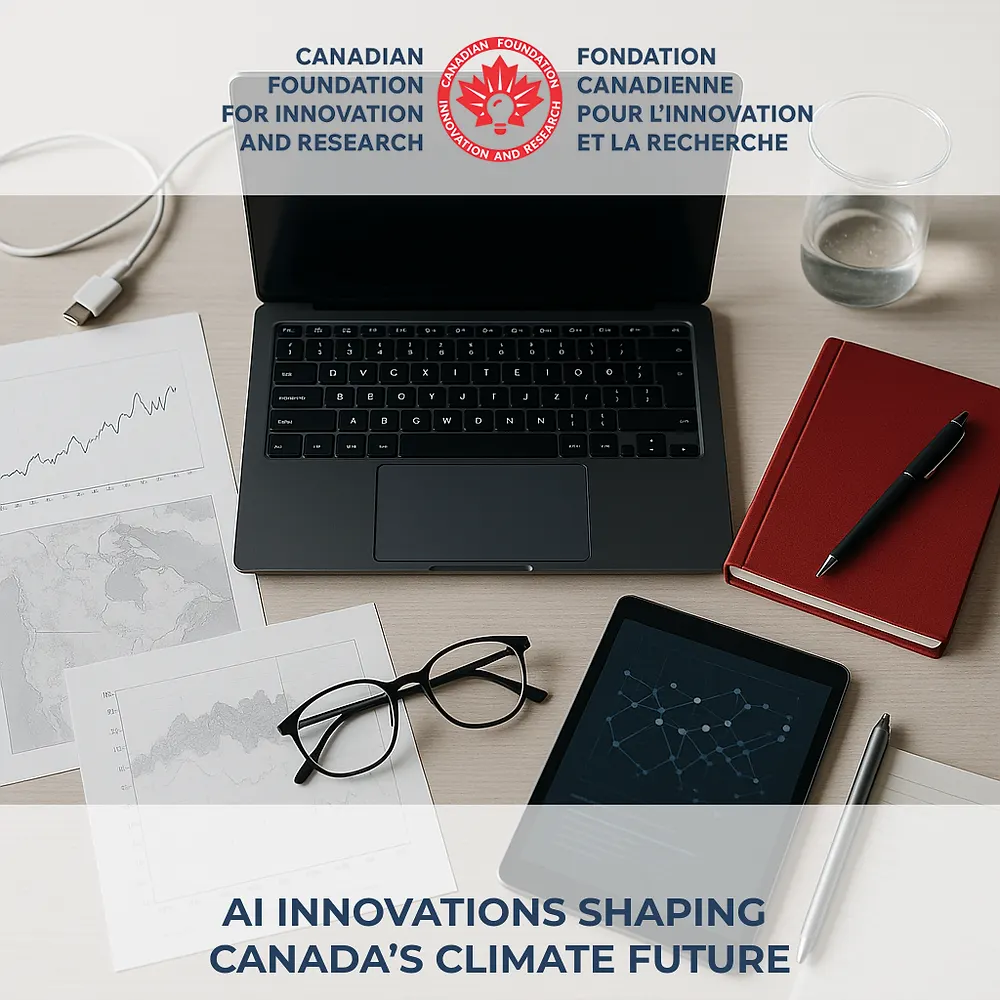
Canadian researchers are particularly interested in how AI can improve forecasting. Traditional models struggle with the volume and variability of climate information, but new algorithms can process decades of satellite imagery and environmental readings in real time. That capacity could help local governments prepare for floods or droughts kilometres before they strike. For entrepreneurs, these tools also present opportunities to create new services in renewable energy optimization, emissions tracking, and sustainable agriculture.
Still, the challenge remains making sure these ideas move beyond proof-of-concept. This is where collaboration between public research and private development becomes vital. Through its research grants and infrastructure support, the Canadian Foundation for Research and Innovation (CFIR) connects scholars and emerging companies to scale early prototypes into usable systems. By linking academic expertise with applied innovation, such partnerships help transform Canada’s scientific potential into practical climate solutions.
The trend underlines a larger shift in Canada’s innovation economy. Artificial intelligence is no longer viewed solely as a productivity tool but as a way to strengthen environmental resilience and policy decision-making. As research funding continues to align with sustainability goals, AI-driven climate science could help Canada make more informed choices about its future—choices rooted in evidence, technology, and shared responsibility.
Partner with us: https://www.research.ca/contact-cfir
Apply for support: https://www.research.ca/apply
For more information: https://www.research.ca/
Share article
More from CFIR’s News
-
 CLIMATE ADAPTATION
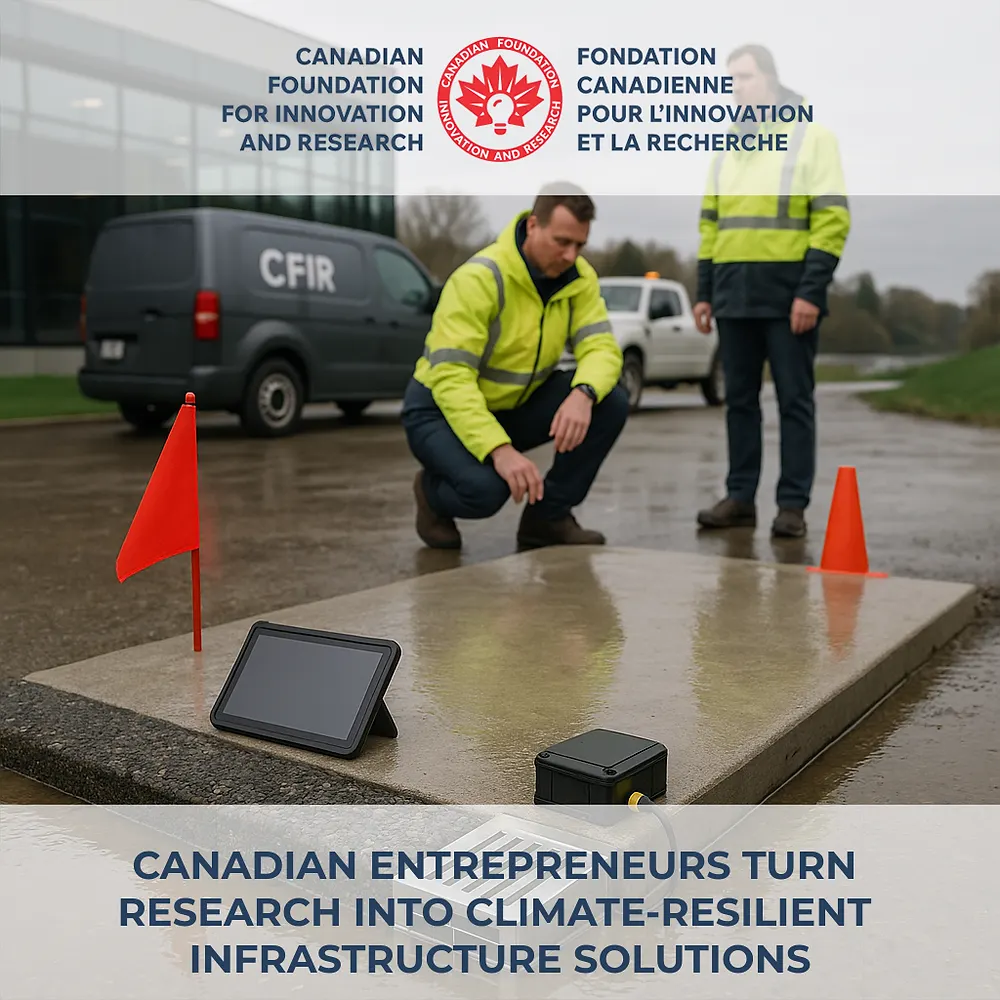
Canadian Entrepreneurs Turn Research into Climate-Resilient Infrastructure Solutions
CLIMATE ADAPTATION
Canadian Entrepreneurs Turn Research into Climate-Resilient Infrastructure Solutions
-
 CLIMATE DATA
Building Climate Data That Canada Can Use
CLIMATE DATA
Building Climate Data That Canada Can Use
-
 CANADIAN INNOVATION
Provincial Rules Create Space for Privacy Driven Innovation
CANADIAN INNOVATION
Provincial Rules Create Space for Privacy Driven Innovation
-
 CANADIAN INNOVATION
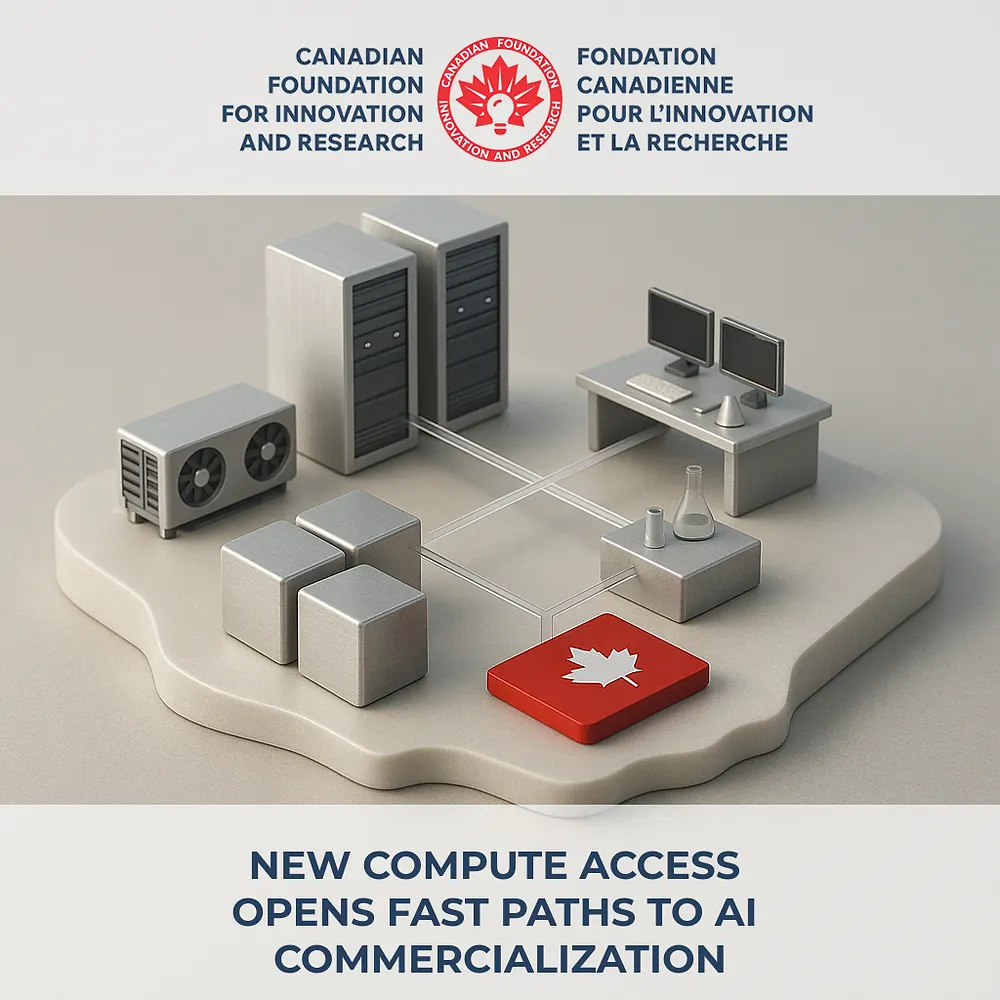
New Compute Access Opens Fast Paths to AI Commercialization
CANADIAN INNOVATION
New Compute Access Opens Fast Paths to AI Commercialization