Navigating New Research Security Rules in 2025
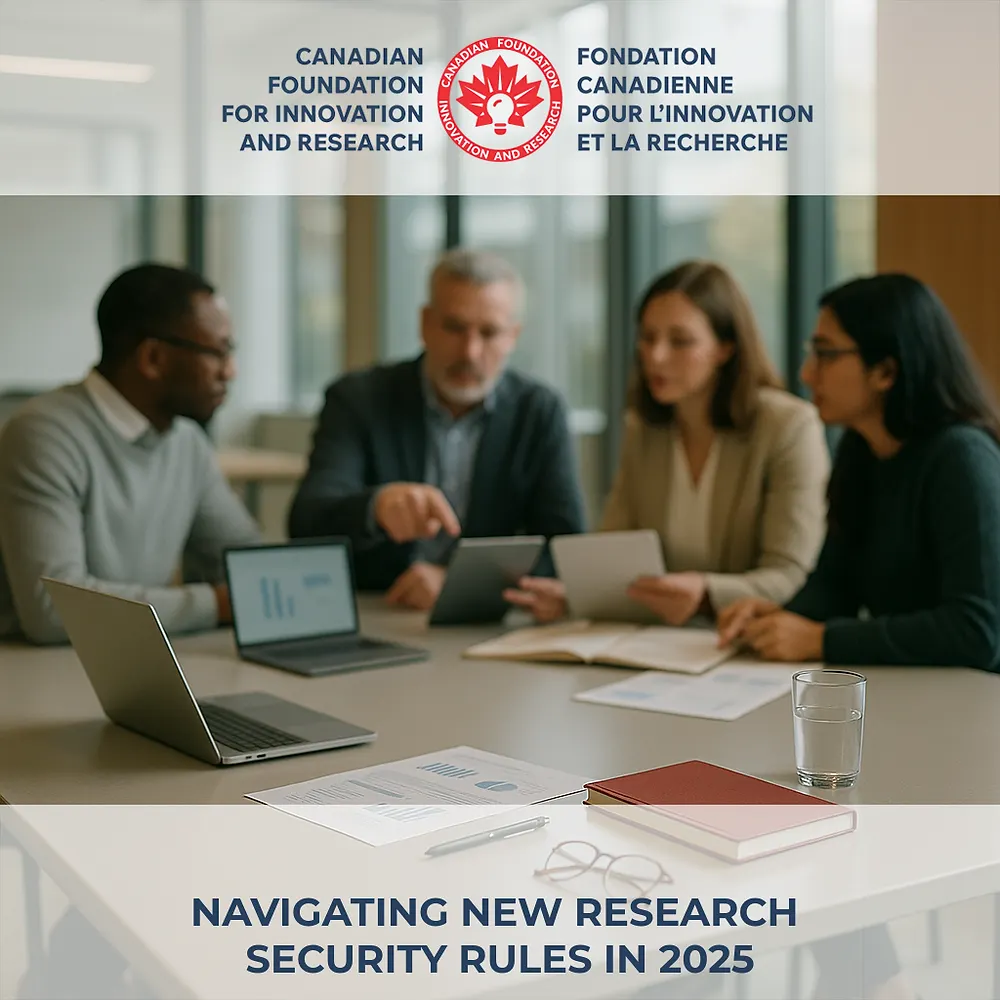
These updates are reshaping day‑to‑day practice in labs and early‑stage ventures. Collaboration agreements once handled informally now require detailed documentation and risk reviews. For young companies working beside university teams, these changes can feel bureaucratic, yet they also create an opportunity to formalize practices that protect intellectual property from the outset. Many institutions are responding by developing shared protocols that define who owns which data, how results can be published, and what standards guide cross‑border information exchange.
The Canadian Foundation for Research and Innovation (CFIR) has been supporting research teams as they adapt. Its programs help projects test secure data‑handling methods, explore governance training, and trial workflow models that keep commercial ambitions on schedule. This practical, systems‑level support is helping link policy goals with the realities of experimental work—where discoveries often move faster than the regulations designed to safeguard them.
Still, the policy environment remains fluid. As Canada prepares new guidance for sensitive technology lists and compliance audits, researchers and founders are learning to see security not as a barrier but as a design principle. The cultural shift underway could shape how the next generation of Canadian innovations move from lab benches to global markets—carefully, transparently, and with deeper awareness of where knowledge travels.
Partner with us: https://www.research.ca/contact-cfir
Apply for support: https://www.research.ca/apply
For more information: https://www.research.ca/