
How Applied Learning Is Shaping Early Startup Paths
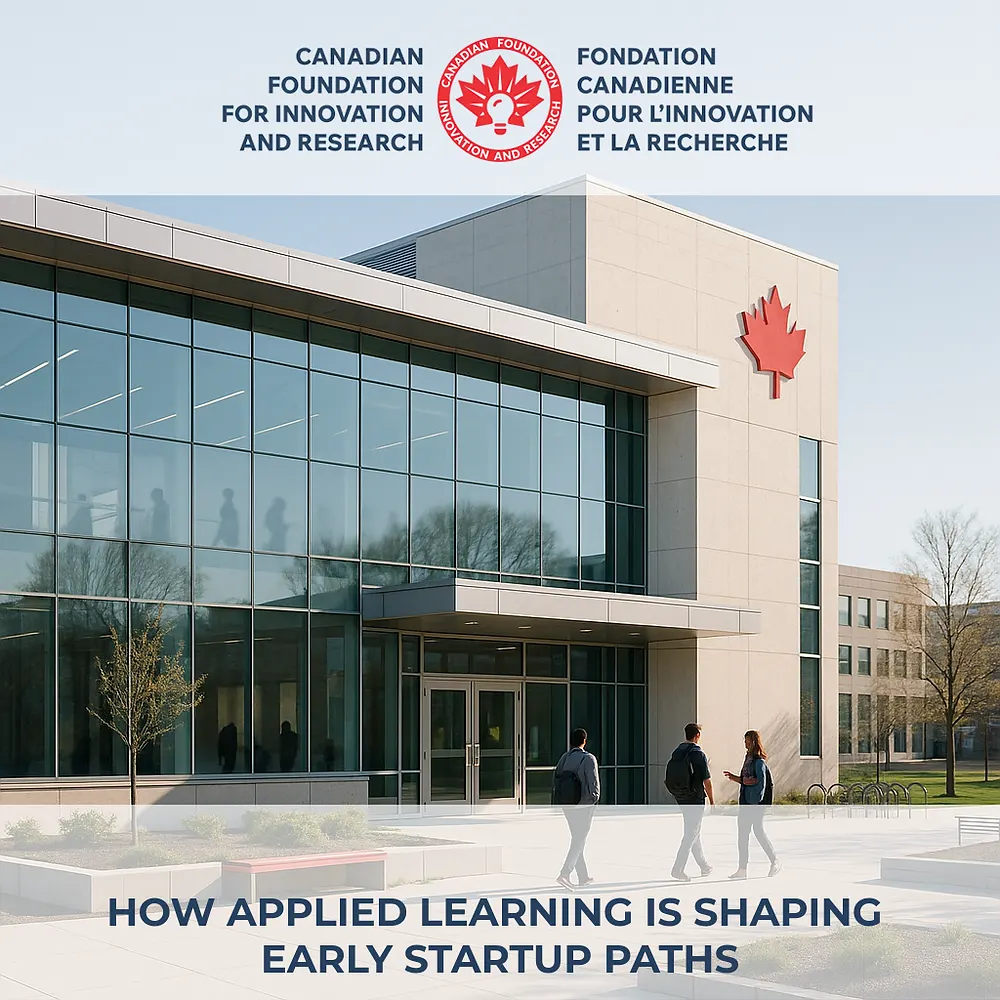
This trend is reshaping the early stage of entrepreneurship. Instead of waiting to gain experience after graduation, learners now enter venture incubators or applied research labs already fluent in project workflows and industry data. Mentors say the difference is visible in first prototypes: students bring both theoretical grounding and production‑floor insight, which can shorten the time between proof‑of‑concept and pilot. Across several provinces, new policy frameworks are aligning these programs with regional innovation priorities, linking education to local economic sectors.
For funding agencies, including the Canadian Foundation for Research and Innovation (CFIR), the movement represents a practical bridge between education and enterprise. When proposals document measurable outcomes—skilled placements completed, prototypes tested, field data collected—they better demonstrate readiness for research or commercialization support. Timing a proposal around academic calendars and CFIR funding windows can also make pilots more nimble, ensuring resources meet talent when projects are most active.
Still, as applied learning expands, the challenge remains one of scale: how to maintain quality mentoring and reliable assessment across hundreds of short credentials. Yet the direction is clear. Blending formal research with hands‑on experimentation is anchoring Canada’s innovation culture in real practice, giving early startups both the technical confidence and social purpose to grow from class projects into viable enterprises.
Partner with us: https://www.research.ca/contact-cfir
Apply for support: https://www.research.ca/apply
For more information: https://www.research.ca/